Passive radar has traditionally been built on the ground. That makes it easy to find in satellite imagery and easy to destroy with a drone that costs far less than the station itself. The terrain around it also blocks part of the signal it relies on, which leaves gaps in coverage.
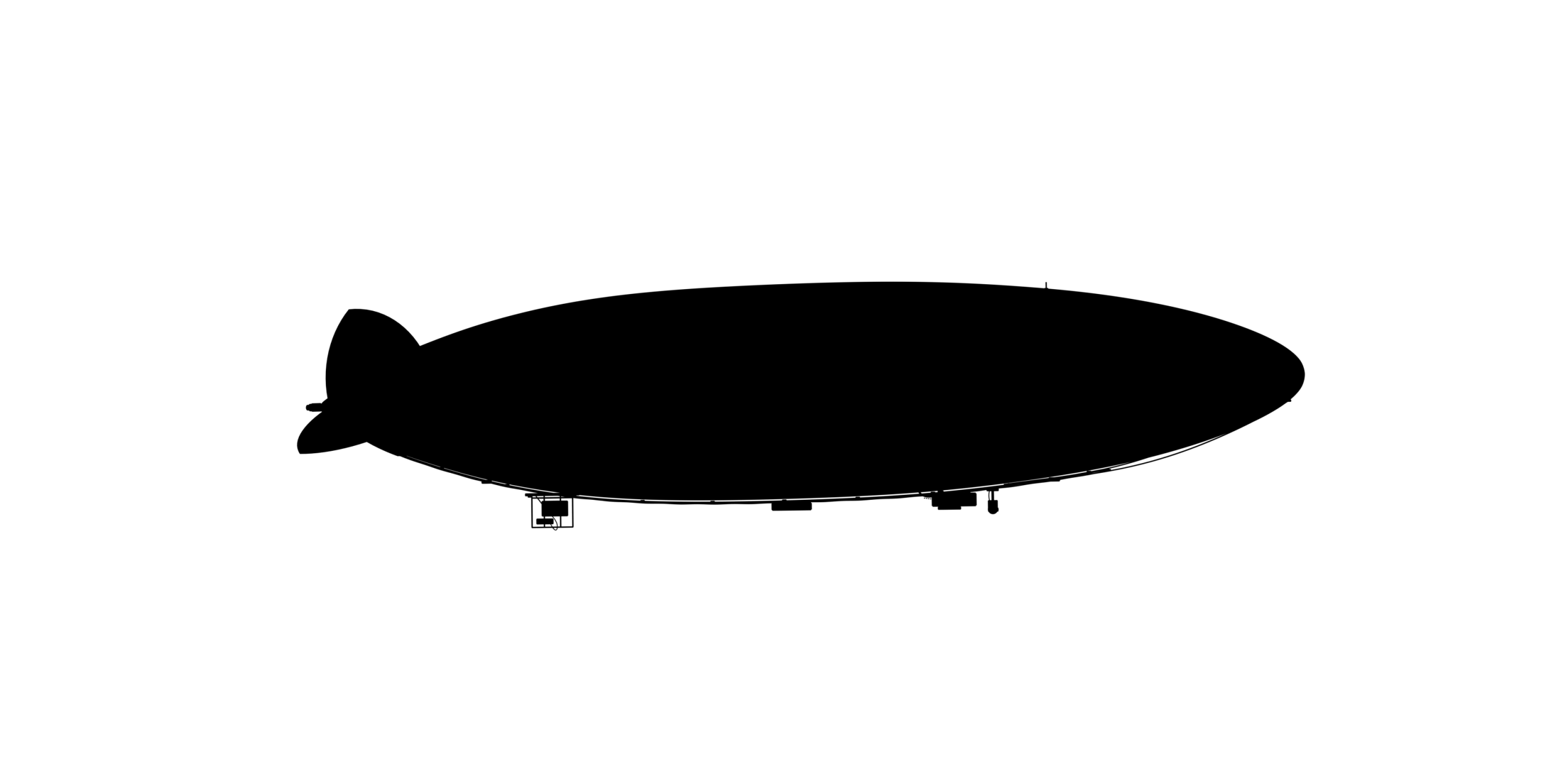
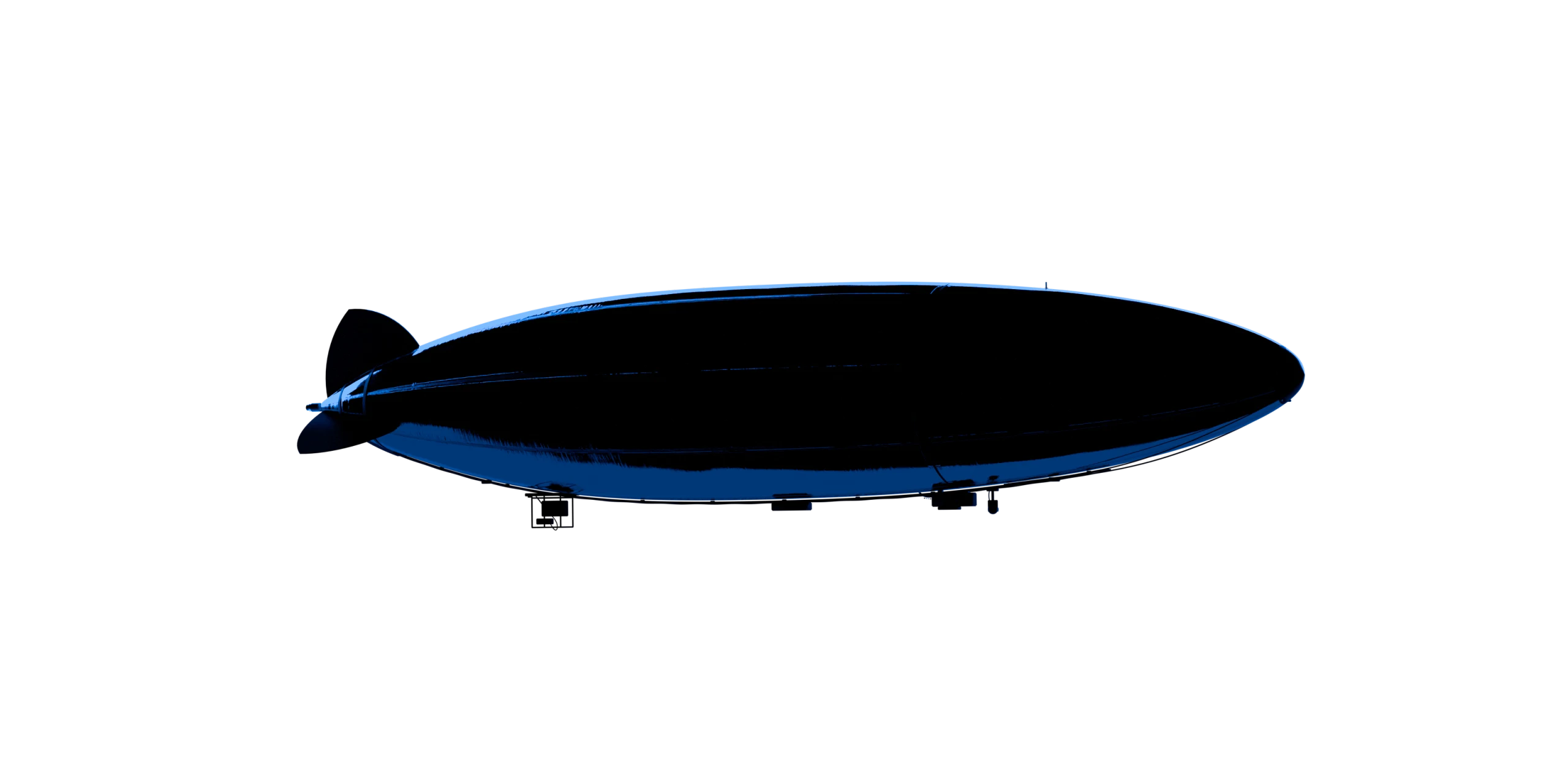
HALO takes passive radar into the air. Its antennas are built into the hull of a Kelluu airship.
HALO only listens, so it gives off no signal that could reveal where it is. It keeps moving, so no satellite image pins it down for long. And from the air, the terrain no longer stands in the way.
Its modelled range is more than double that of a ground-based radar, and an hour in the air costs up to 180 times less than a crewed radar aircraft.
The result is persistent ISR. Each airship stays airborne for up to 12 hours at a time and goes wherever it’s needed. Rotating the airships keeps the layer in place. Detections go straight into your command and control systems, and each airship can also carry cameras and other sensors.
HALO is a highly autonomous, sovereign European capability. It’s built by Kelluu, which has the world’s largest fleet of airships.
Security shouldn’t rest on a single system. That’s why Kelluu builds this layer the way today’s attack drones are made, cost-efficient, in large numbers and ready to adapt to whatever comes.